
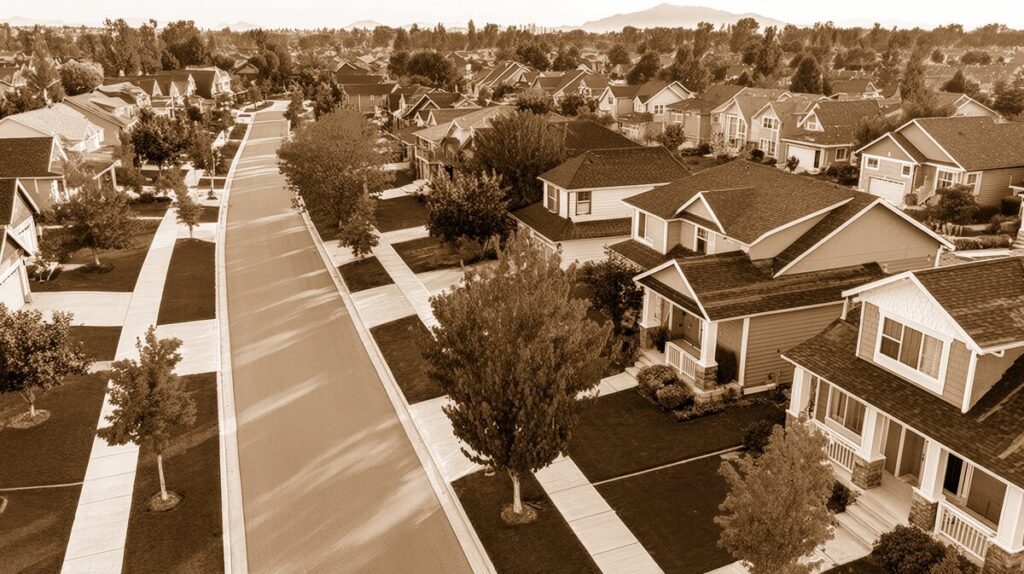
Nestled in the heart of Topeka, Westboro stands as a living testament to the city’s history, architectural splendor, and strong sense of community. For generations, its tree-lined streets and stately homes have attracted families drawn by both timeless charm and a genuine neighborhood spirit. As someone who has loved this place for years, I’m excited to share the story and legacy of Westboro—a neighborhood that’s truly one of Topeka’s finest treasures.
Origins: The Birth of Westboro
The story of Westboro begins in the early 1920s, a time when Topeka was expanding westward beyond its original downtown core. Visionary developers, inspired by the garden city movement popular at the time, envisioned a residential area that combined elegant homes with spacious lots and lush landscaping. The neighborhood's boundaries were roughly delineated by Huntoon Street to the north, Oakley Avenue to the west, 17th Street to the south, and Gage Boulevard to the east, although some locals have variations to this depending on personal history.
But why “Westboro”? The name itself carries a touch of English tradition, evoking images of orderly lanes and refined living. “Westboro” was chosen to reflect both its western location relative to downtown Topeka and the neighborhood’s aspirations to become an idyllic suburban retreat.
Signature Architecture and Notable Residents
One of Westboro’s enduring hallmarks is its architectural variety. During its early decades, local architects and craftsmen blended styles such as Tudor Revival, Colonial Revival, and Mission Revival, reflecting both national design trends and the ambitions of Topeka’s prominent families. Many homes feature steep-pitched roofs, intricate brickwork, and welcoming front porches—a nod to the neighborhood’s desire for beauty with function.
- The stone-and-brick manor at the corner of SW Plass Avenue and 15th Street stands out as a prime example of 1920s prestige, famously hosting gatherings for city leaders over the years.
- Another beloved gem is the Westboro Park area itself, whose mature oaks and winding paths have made it a coveted section for generations of homeowners.
Through the decades, Westboro has counted several notable figures among its residents, including state legislators, educators, and business leaders—people who helped shape the fabric of Topeka.
Key Historical Milestones
Westboro’s story is woven with significant historical events. The area developed rapidly in the 1920s and early 1930s thanks to improved streetcar connectivity along Huntoon Street and the rise of automobile ownership. This allowed families to settle farther from the city center while still enjoying quick access to downtown Topeka.
A few key milestones stand out:
- 1923–1929: Most of the neighborhood’s earliest homes are built. Local builders emphasize brick and stone for longevity and curb appeal.
- 1940s–1950s: The postwar boom brings new families and a renewed focus on community life, with neighborhood picnics and block parties becoming a summer staple.
- 1966: Westboro, like much of Topeka, is shaken by the infamous tornado, which narrowly misses the area but spurs residents to strengthen neighborhood ties and disaster preparedness.
- 1980s–present: Westboro’s architectural heritage sparks preservation efforts, led by groups hoping to maintain its unique character in the face of ongoing urban development.
Landmarks and Treasured Spaces
Despite its relatively compact size, Westboro boasts a collection of beloved landmarks:
- Westboro Park (at SW 16th St and Plass Ave): The neighborhood’s green jewel, Westboro Park is a gathering place for picnics, soccer games, and summer concerts beneath towering shade trees.
- The Westboro Baptist Church (3701 SW 12th St): While known globally for controversial reasons, the building itself is an early neighborhood landmark and has an architectural presence recognized by locals.
- Shelton School: Located just south of the formal Westboro boundaries, many neighborhood children have attended this historic elementary school, reinforcing local ties that span generations.
- Distinctive lampposts and curving streets: Designed to foster a sense of human scale and pedestrian friendliness, the neighborhood’s original lampposts and street layout lend a unique ambiance, especially in fall and spring.
The Spirit of Community: How Westboro Has Evolved
Over the decades, Westboro’s residents have worked to preserve its beauty while embracing change. Welcoming new neighbors, supporting block watch programs, and celebrating seasonal traditions—like the much-loved Halloween trick-or-treating on SW 15th Street—have kept Westboro vibrant and cohesive.
Today, you’ll find a diverse mix of longtime residents and new families, all drawn by the area’s schools, pride of ownership, and walkable streets. While most of the original homes have been lovingly maintained or restored, sensitive remodels and occasional new builds coexist with historic properties, carefully adhering to the neighborhood’s time-honored aesthetic.
Civic engagement remains a strongpoint. The Westboro Neighborhood Association, active since the late 20th century, continues to advocate for zoning protections, traffic calming, and neighborhood beautification projects. This grassroots stewardship helps Westboro simultaneously feel like a step back in time and a forward-looking community invested in Topeka’s future.
What Makes Westboro Special
Ask any resident what makes Westboro unique, and you’ll hear a heartfelt list: sense of belonging, canopy-shaded sidewalks, deep pride in their homes, and a tradition of neighborliness that spans generations. Here, storybook architecture and green spaces are more than just scenery—they’re the backdrop for meaningful daily life.
To explore Westboro is to touch the living tapestry of Topeka itself—one where history, heritage, and home come together in beautiful harmony.